Value begins with what the buyer can evaluate
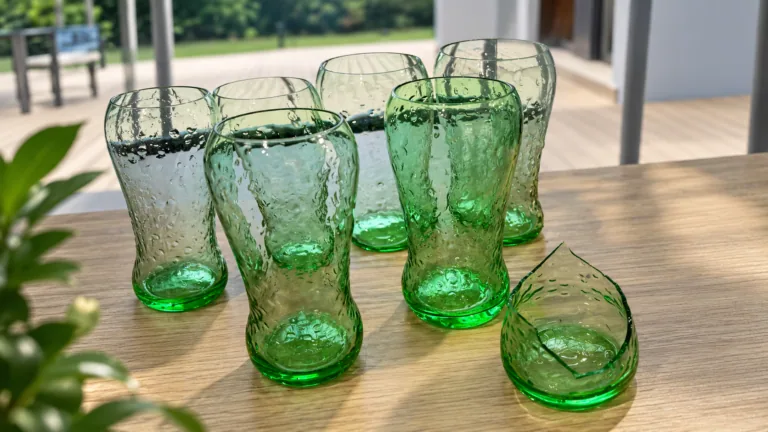
Hospitality glassware may influence the service setting through its form, proportion, surface, clarity, decoration, handling, and consistency. These are observable product characteristics that a buyer can review through specifications, samples, and operating evaluation.
They should be separated from claims about guest psychology, hotel rates, reviews, repeat visits, or revenue. Those outcomes require evidence and should not be inferred from the product alone.
1. Form and proportion
The silhouette, rim, base, stem, and proportions should fit the beverage, service ritual, table setting, or in-room application. Buyers can review whether the form supports the intended use and design direction.
Questions include:
- Does the product suit the beverage or service?
- Is the scale appropriate to the setting?
- Which form features must remain consistent?
- What needs to be tested in hand or in the actual table context?
Do not assume that a particular form automatically creates a premium commercial result.
2. Weight and balance
Weight and balance may affect handling and the tactile experience of a product. The buyer should evaluate the actual sample in the intended use context and distinguish the observed result from a general claim about guest preference.
If weight, wall profile, rim, or balance is a critical requirement, define how it will be reviewed and which features remain subject to technical confirmation.
3. Surface and clarity
Surface finish, transparency, color, and visible detail may affect the visual fit of a glassware item. Review them under relevant lighting and against the surrounding tableware or room design.
Any claim about optical performance, brilliance, chemical stability, scratch resistance, or long-term appearance requires product-specific evidence.
4. Decoration and customization
Etching, decals, gilding, color, texture, or other decoration can help a hotel or restaurant coordinate glassware with its identity or a specific service program. The buyer should define artwork, placement, color reference, finish, care requirements, and sample approval criteria.
Decoration should be evaluated for both visual effect and operating fit. Do not assume that a finish is permanent, dishwasher-safe, or suitable for every service condition without documentation.
5. Consistency across service areas
Hospitality buyers may need a consistent standard across rooms, departments, properties, or event settings. Consistency can include the product form, visual reference, decoration, packaging, inspection, replenishment, and replacement process.
The required level of consistency should be defined for the project. Handmade variation, machine-produced uniformity, and acceptable defects should not be assumed from the production label alone.
6. Presentation and service fit
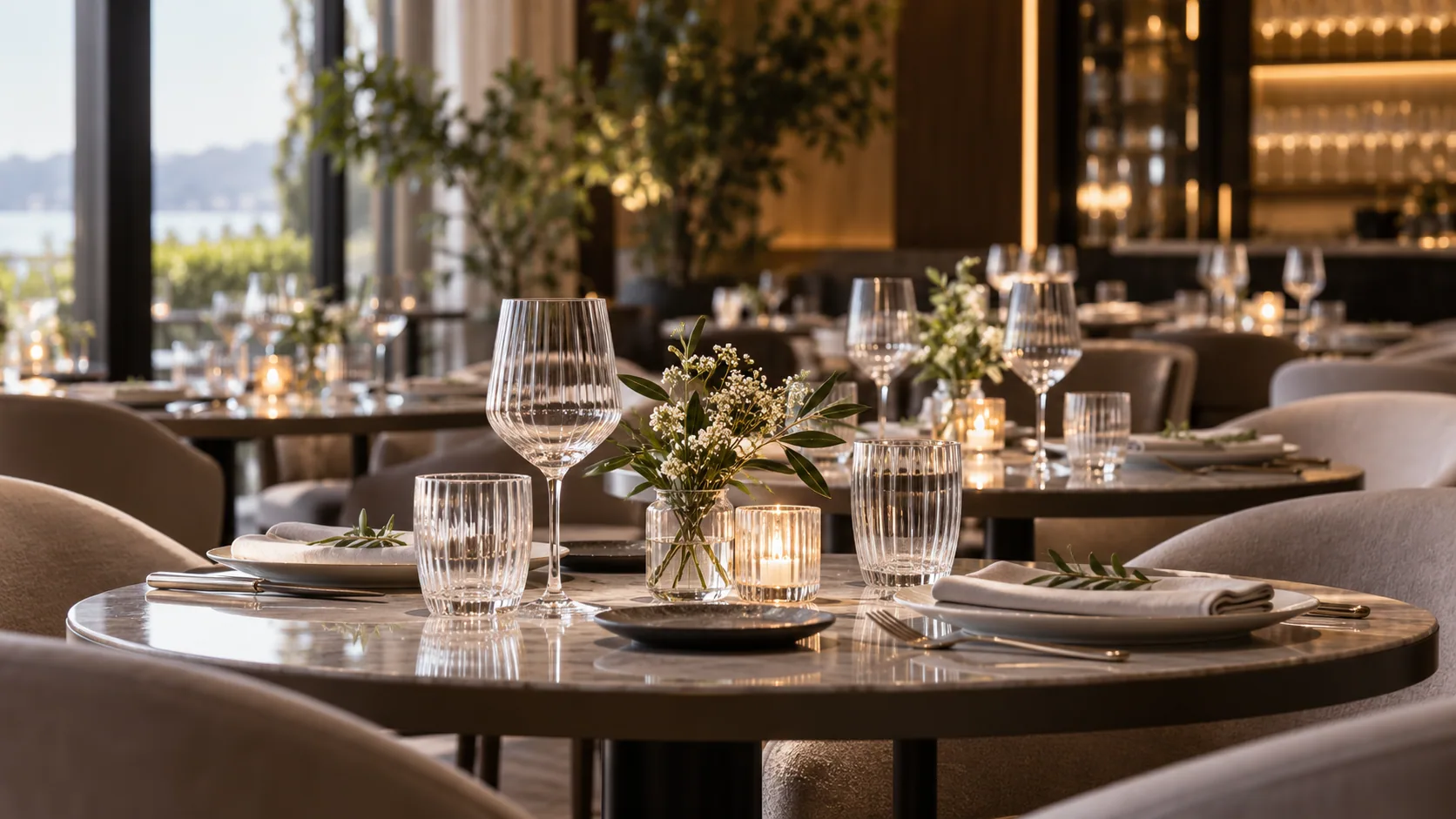
Review the product where it will actually be used:
- bedside water service
- breakfast or restaurant tables
- bar and signature-drink service
- banquet or MICE events
- spa or wellness settings
Observe how the item is handled, stored, cleaned, presented, and replaced. This creates useful buyer evidence without claiming that guests will respond in one universal way.
7. Replacement and operating considerations
Value is also connected to what happens after the product enters service. Buyers should document:
- expected handling and cleaning process
- storage and replenishment
- inspection and removal criteria
- replacement workflow
- packaging and transport requirements
- supplier support and documentation
Claims about durability, breakage, cost savings, service life, or commercial return require project-specific evidence.
Build a buyer review before approval
Before approving hospitality glassware, ask:
- Which observable product features matter most?
- Which service setting is in scope?
- What will be reviewed through physical samples?
- Which care, handling, and operating conditions apply?
- What consistency standard is required?
- Which supplier documents or tests are needed?
- Which guest or commercial claims are still unverified?
Separate product evidence from customer-outcome claims
A buyer can document the product’s form, surface, decoration, presentation, and operating fit. Claims that guests will prefer it, pay more, return more often, or rate a hotel more highly are separate claims and require appropriate evidence.
The safest commercial discussion starts with what can be shown, sampled, compared, and approved for the specific hospitality project.
Keep this distinct from other hospitality articles
Post 358 focuses on where handmade glassware may fit within dining and hospitality applications. Post 325 focuses on sustainability signals that guests may encounter. This article focuses on how professional buyers evaluate observable quality and value signals without assuming a guaranteed commercial outcome.
[RELATED ARTICLE: Post 358 — Handmade Glassware in Dining and Hospitality: A Buyer’s Application Guide]
[RELATED ARTICLE: Post 325 — What Luxury Hotel Guests May Notice First About Sustainability Choices]
Final takeaway
Hospitality glassware value should begin with observable criteria: form, proportion, weight and balance, surface, clarity, decoration, consistency, presentation, service fit, and operating requirements. These criteria help buyers make a clearer decision while keeping guest-perception and commercial-performance claims evidence-led.
If you are reviewing hospitality glassware for a hotel, restaurant, bar, or event program, share the service setting, product requirements, evaluation criteria, and operating questions for a focused review.
Evaluating glassware for a hospitality program?
Share the service setting, observable product criteria, operating requirements, and evidence needed so the value review stays grounded in the actual project. Discuss a Hospitality Solution with Eukaglass.
FOR PROFESSIONAL BUYERS
Planning a Glassware Project?
Discuss product requirements, samples, sourcing, manufacturing, or OEM development with our team.