The hospitality decision is larger than replacing one material
Luxury hotels reviewing plastic-reduction initiatives may begin with a simple question: what should replace the plastic item?
For procurement and operations teams, the more useful question is: which solution reduces unnecessary disposability while preserving the intended guest experience and working in the actual service environment?
The answer depends on the touchpoint, cleaning and handling process, replacement approach, supplier evidence, and standards the hotel needs to maintain. A substitute should be evaluated as part of a system rather than approved because it appears to solve one purchasing problem.

Regulatory context requires confirmation
The direction, scope, dates, definitions, and obligations that apply to a particular hotel, country, product, or service must be confirmed against current and relevant sources before publication or procurement use.
The practical buyer lesson remains valid without assuming a specific legal outcome: regulatory review and sustainability planning should be connected to the hotel’s operating system.
Why low-cost substitutes can create operational and brand risk
In premium hospitality, guests encounter small details through touch, appearance, sound, service rituals, and consistency. A replacement that looks or feels out of place may weaken the intended experience even when its environmental rationale is positive.
Procurement teams should ask:
- Does the proposed item fit the room, restaurant, bar, or spa setting?
- Can staff handle, clean, store, and replenish it within the operating model?
- Is the appearance consistent across relevant properties or service areas?
- What evidence supports the expected service life and replacement approach?
- Does the supplier understand the application rather than only the material category?
The answers should be based on the hotel’s own requirements and evidence, not a universal assumption about one replacement material.
Evaluate the system at high-frequency touchpoints
A practical starting point is to review where guests and staff interact with the item repeatedly:
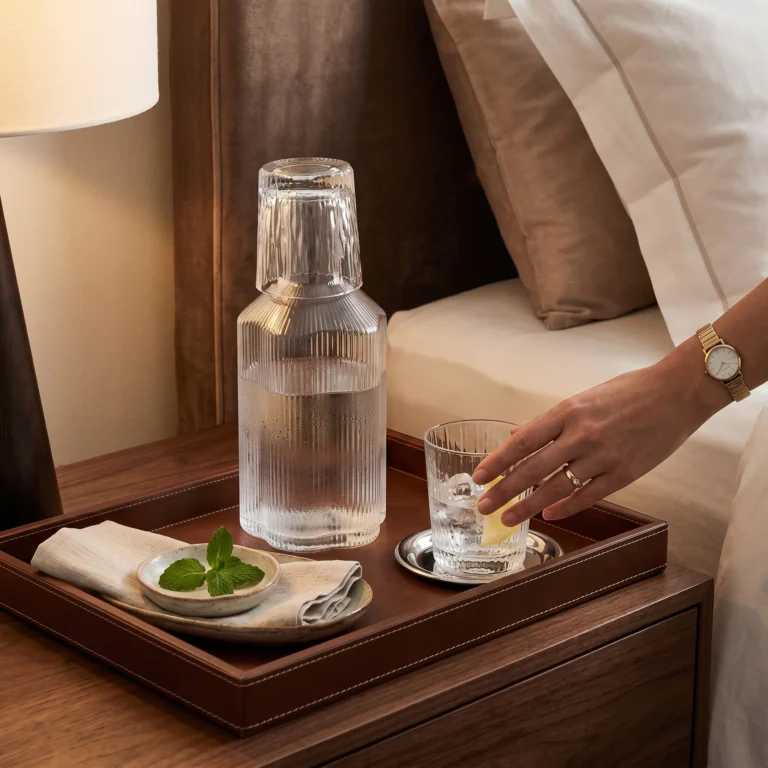
- in-room bedside water service
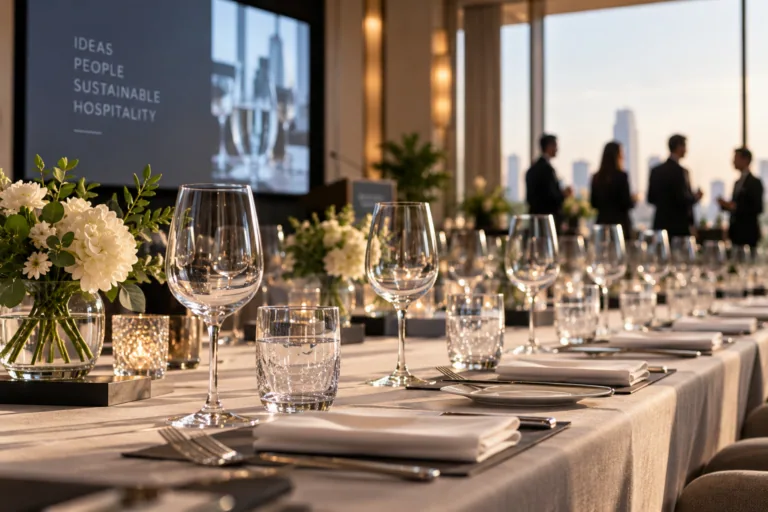
- restaurant water service
- breakfast beverage presentation
- spa or wellness hydration stations
- bar service for signature drinks
For each touchpoint, document the current system and the proposed change. Review presentation, handling, cleaning, storage, breakage or replacement procedures, replenishment, and the way the item fits the surrounding service design.
Reusable glassware may be relevant to some applications, but suitability depends on the product, operating conditions, cleaning process, and agreed quality requirements.
Use a pilot to learn before scaling
When a hotel needs more evidence, a defined pilot can provide a structured way to evaluate a proposed reusable service system. Before starting, agree:
- Which property, department, and touchpoint are in scope?
- Which product or system is being evaluated?
- What will staff need to do differently?
- Which guest-facing and operational criteria matter?
- What evidence will be collected?
- Who decides whether the pilot continues, changes, or stops?
A pilot should not be presented as proof of universal sustainability, durability, guest preference, or portfolio-wide performance. It is evidence for the defined project.
Use a buyer evaluation framework
Before approving a substitution, compare the proposal across five areas:
1. Guest experience
Assess visual fit, weight and balance where relevant, tactile feel, clarity or finish, and consistency with the hotel’s intended standard. Treat these as design and service considerations, not universal claims about guest response.
2. Operational fit
Define how the item will be delivered, cleaned, stored, used, inspected, replenished, and replaced. Include the teams that will operate the system in the review.
3. Supplier and manufacturing evidence
Ask the supplier to identify the proposed material and process, relevant samples or references, inspection approach, and project-specific limitations. Unsupported claims about durability, lifespan, safety, or environmental benefit should not be accepted without evidence.
4. Documentation and verification
Record what the hotel can demonstrate in an RFP, internal approval, or supplier review. Separate verified evidence from planned actions and assumptions.
5. Scale-up requirements
Identify what must be proven before extending the solution across rooms, departments, or properties. A successful small trial does not automatically prove portfolio-wide suitability.
Connect reusable glassware to the operating system
Reusable glassware may be relevant to some hotel and event applications, but suitability depends on the product, service environment, cleaning process, storage, replacement policy, and agreed quality standard.
For an OEM or sourcing discussion, define the intended application, form, presentation, decoration, sampling requirements, and approval criteria. Ask the supplier to identify project-specific limitations instead of relying on a generic claim about a material or product type.
Start with evidence, then scale
A documented evaluation can compare the current and proposed setup against the hotel’s own requirements and record what remains uncertain.
Useful evidence may include:
- approved physical samples
- operating-team feedback
- cleaning and handling observations
- presentation review
- replacement and replenishment records where available
- supplier documentation relevant to the project
The evidence needed depends on the decision. No universal performance or sustainability conclusion should be inferred without supporting data.
Final takeaway
The shift away from single-use plastic should not be reduced to a simple material swap. For luxury hotels, it is a procurement and operating-system decision that connects guest experience, service practicality, supplier evaluation, pilot evidence, and scale-up criteria.
If your hospitality team is reviewing a reusable glassware or material-substitution project, define the touchpoint, operating requirements, evidence needed, and approval criteria before scaling the change.
Evaluating a hospitality material change?
Share the guest touchpoint, operating conditions, supplier evidence, pilot criteria, and approval requirements so the proposed glassware system can be reviewed against the real service environment. Discuss a Hospitality Solution with Eukaglass.
FOR PROFESSIONAL BUYERS
Planning a Glassware Project?
Discuss product requirements, samples, sourcing, manufacturing, or OEM development with our team.