Sustainability is experienced through details
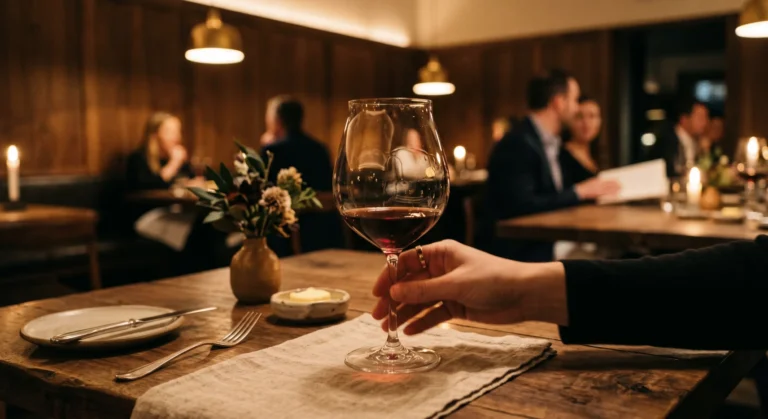
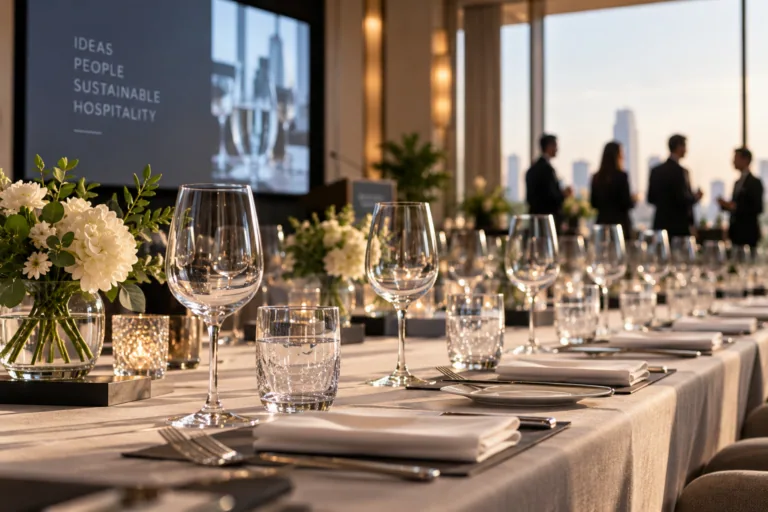
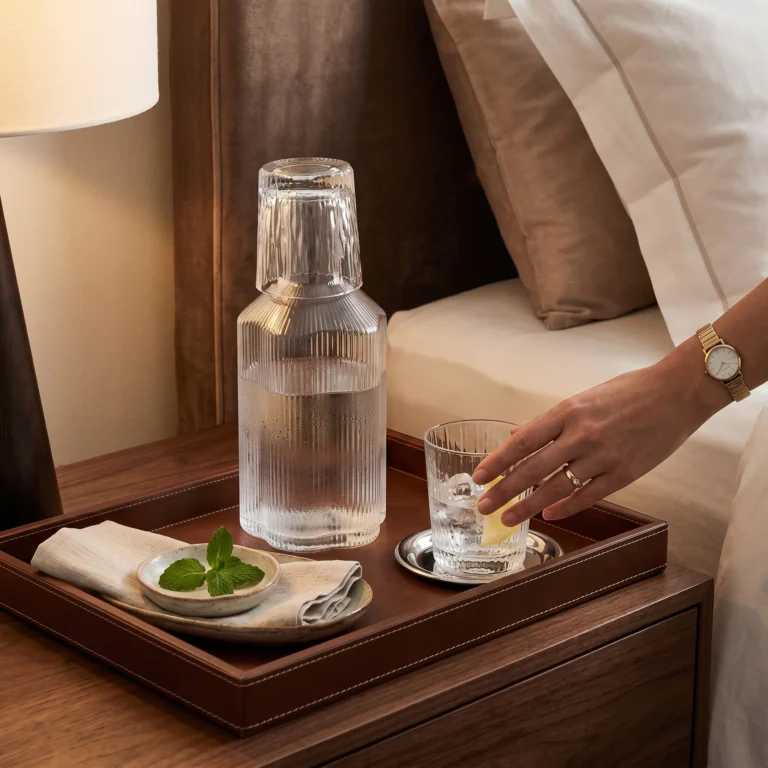
Luxury hotels often communicate sustainability through policies, reports, and operational programs. Guests encounter the subject through the physical details of a stay: the water setup, the table setting, the service ritual, and the consistency of the experience.
That does not mean every guest notices the same thing or that a visible product automatically proves sustainability. It means that product and material choices can influence how a hotel’s stated priorities are experienced.
For hospitality buyers, the useful question is not “What will every guest think?” It is “Which guest-facing choices should the hotel evaluate, and how can those choices remain premium and operationally consistent?”
Visible and invisible sustainability choices
Some sustainability work happens behind the scenes: procurement standards, waste audits, energy planning, supplier documentation, and operating procedures. These may be important even when guests never see them.
Other choices are visible or tactile, including:
- an in-room water bottle and glass
- restaurant and breakfast serviceware
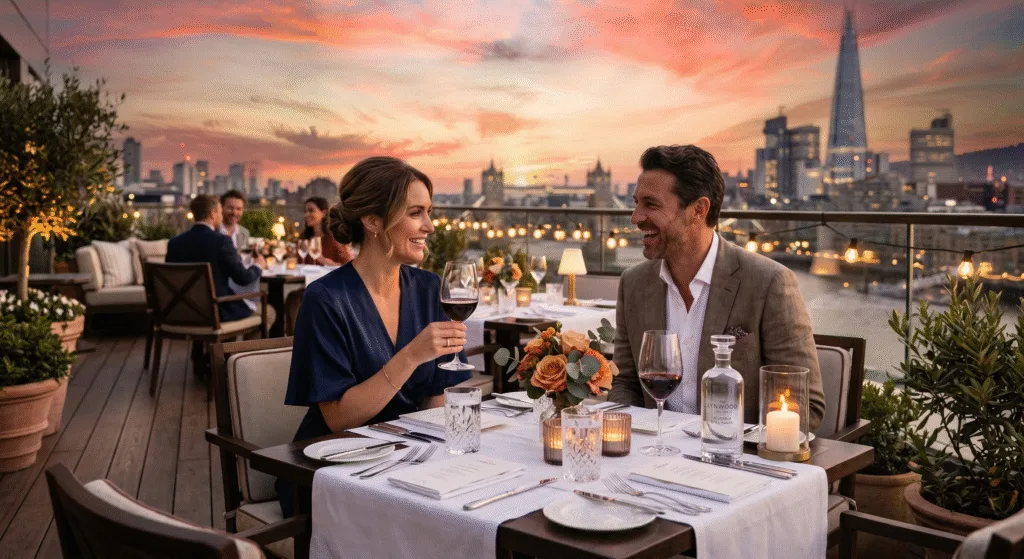
- bar presentation and signature serves
- spa or wellness hydration stations
- the consistency of materials across a stay
Visible choices should not replace underlying operational work. They should be reviewed as part of the same system, with evidence and clear responsibilities.
What guest-facing proof points can show
The value of a visible sustainability choice is easier to review when the hotel defines what can actually be observed and documented.
High-frequency touchpoints
Items used repeatedly may influence the perceived coherence of a hotel experience. Buyers can review form, feel, presentation, cleaning practicality, storage, and replacement processes for the relevant glassware system.
Ritual moments
Water service, wine service, bar presentation, and restaurant tabletop rituals combine product choice with staff behavior and surroundings. A material change should support the ritual rather than make service feel improvised or reduced.
Stay-wide consistency
Hotels and groups may want a clear standard across rooms, departments, or properties. Consistency can affect procurement, training, replenishment, quality review, and the evidence a team can provide in a supplier or RFP discussion.
Turn guest perception into a buyer review
Rather than relying on a universal assumption about guest preferences, hotel teams can ask:
- Which touchpoint is being changed?
- What should the guest see, feel, or understand from the change?
- Does the new item fit the design language of the property?
- Can staff clean, store, handle, and replace it reliably?
- Is the same standard achievable across intended service areas?
- What evidence will be used to approve the product and operating process?
These questions separate a design intention from a claim about guest behavior.
Avoid turning sustainability into a downgrade signal
A sustainability initiative can create an unintended downgrade impression if the replacement appears inconsistent with the setting or introduces visible operational friction. Possible review points include:
- mismatch between material and room or tabletop design
- a change in hand feel or presentation that conflicts with the intended standard
- cleaning or replenishment steps that staff cannot execute consistently
- a product choice that is difficult to explain or document
These are risks to evaluate, not universal outcomes. The actual result depends on the product, application, hotel operation, and approval criteria.
Evaluate a glassware solution in context
Where reusable glassware is being considered, define the use case before choosing the product. Review:
- room, restaurant, bar, breakfast, or spa application
- product form and presentation requirements
- handling, cleaning, storage, and replenishment
- decoration or branding requirements
- sample and approval process
- documentation needed for internal or procurement review
Any statement about durability, environmental performance, replacement rates, or guest response should be supported by project-specific evidence.
Use evidence carefully
Survey and market research can provide context, but they should not be presented as proof that all luxury travelers or hotel guests behave in one way. If a statistic is used, check the source, date, population, wording, and relevance before publication.
In the absence of verified evidence, frame the issue as a procurement and design consideration: choose touchpoints worth evaluating, define the intended experience, and observe the result through an agreed review process.
Final takeaway
Luxury guests may notice sustainability through what they can see, touch, and use, but no single product choice guarantees a particular response. For hotel buyers, the stronger approach is to connect visible serviceware with operational consistency, supplier evidence, and the intended guest experience.
If your hotel is reviewing a sustainability-related glassware decision, define the guest touchpoint, product requirements, operating conditions, and evidence needed before approving the change.
Reviewing what guests experience at a sustainability touchpoint?
Share the service setting, product requirements, operating conditions, and approval evidence so the glassware decision can be evaluated in context. Discuss a Hospitality Solution with Eukaglass.
FOR PROFESSIONAL BUYERS
Planning a Glassware Project?
Discuss product requirements, samples, sourcing, manufacturing, or OEM development with our team.